Hoarding Cleanup Services, From Sorting to Clean

A hoarding cleanup usually includes four kinds of work. Here is how each one goes, who it fits, and what you should receive when it is finished.

Get an email reply about hoarding scene cleanup

Send a short message to the follow-up inbox. A coordinator can reply by email. This form does not send emergency help; call 911 first if anyone is in danger.

Tell us what you need help with. Share a short description; please leave out medical details, access codes, and other sensitive information.

A request does not confirm a booking. For immediate danger, contact local emergency services.

Or email info@hoardingcleanup.online

Four parts that fit together

Some homes need all four parts, and some need only one or two. A home with lots of paper and boxes but no spoiled food may skip most germ cleanup. A home with pets or plumbing problems may need a great deal of it.

The order matters. Sorting comes first so nothing important gets hauled away. Health hazards are handled as they turn up. Deep cleaning happens last, once rooms are open. A company should explain how it will link these steps in your home.

The services, one by one

Clutter Assessment & Sorting

Who it is for: Anyone starting a cleanup who wants the person living there to guide what stays and what goes.

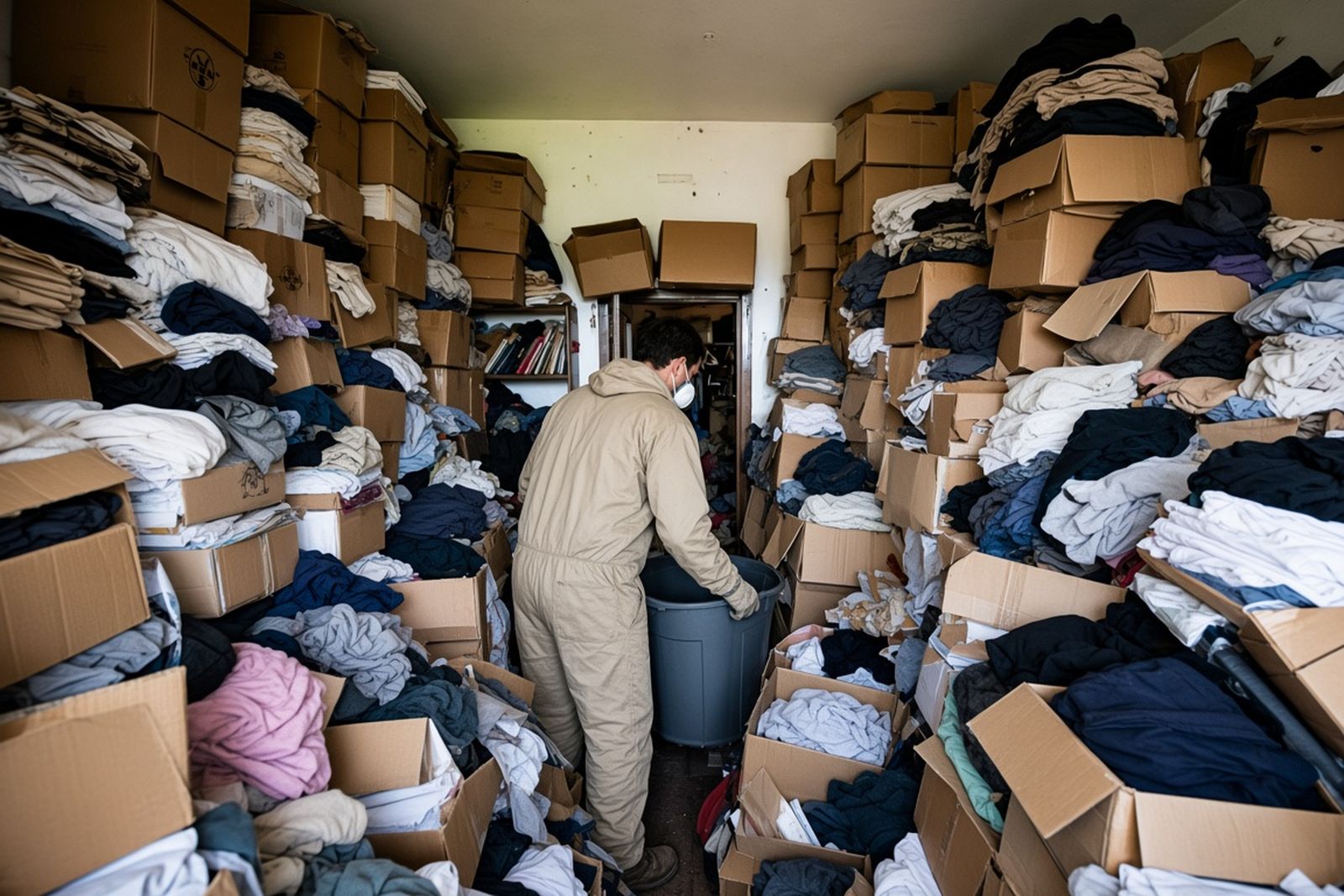
The crew checks each room for safety problems and clears paths to exits first. They agree on sorting groups with the person or the family member in charge. Sorting happens room by room, with breaks when needed. Nothing personal leaves without a yes from the person who has the say.

What you should get: A written sorting plan and a list of protected items, updated as the work goes on.
Debris Removal & Disposal

Who it is for: Homes where sorting is done or underway and large amounts of trash and unwanted items need to leave.

Ordinary trash is bagged and hauled away. Anything with waste, needles, or other germ risks is packed apart from regular trash. In apartments, the crew protects halls and elevators while carrying bags out. They place bins or trucks with privacy and neighbors in mind.

What you should get: Receipts for dump runs and donations, and disposal records if a landlord or insurer asks.

Biohazard Remediation

Who it is for: Homes where sorting has uncovered animal or human waste, rotten food, needles, or signs of pests or mold.

The crew seals off each find as it is uncovered. Needles go into hard, puncture-proof containers. Soiled items are removed and the surfaces under them are cleaned and disinfected. The crew notes any mold or pest issues so you can bring in the right specialist.

What you should get: A separate list of health hazards found and removed, kept apart from general trash records.

Deep Cleaning & Restoration

Who it is for: Homes where rooms are now clear and need to be clean and usable again.

Floors, counters, and fixtures are vacuumed with fine-dust filters and washed. Kitchens and bathrooms get special care so the person can cook and bathe safely. Odors are treated only after their sources are gone. The crew notes repairs like damaged flooring or leaking pipes.

What you should get: A closing summary of what was cleaned and a list of repairs still needed.

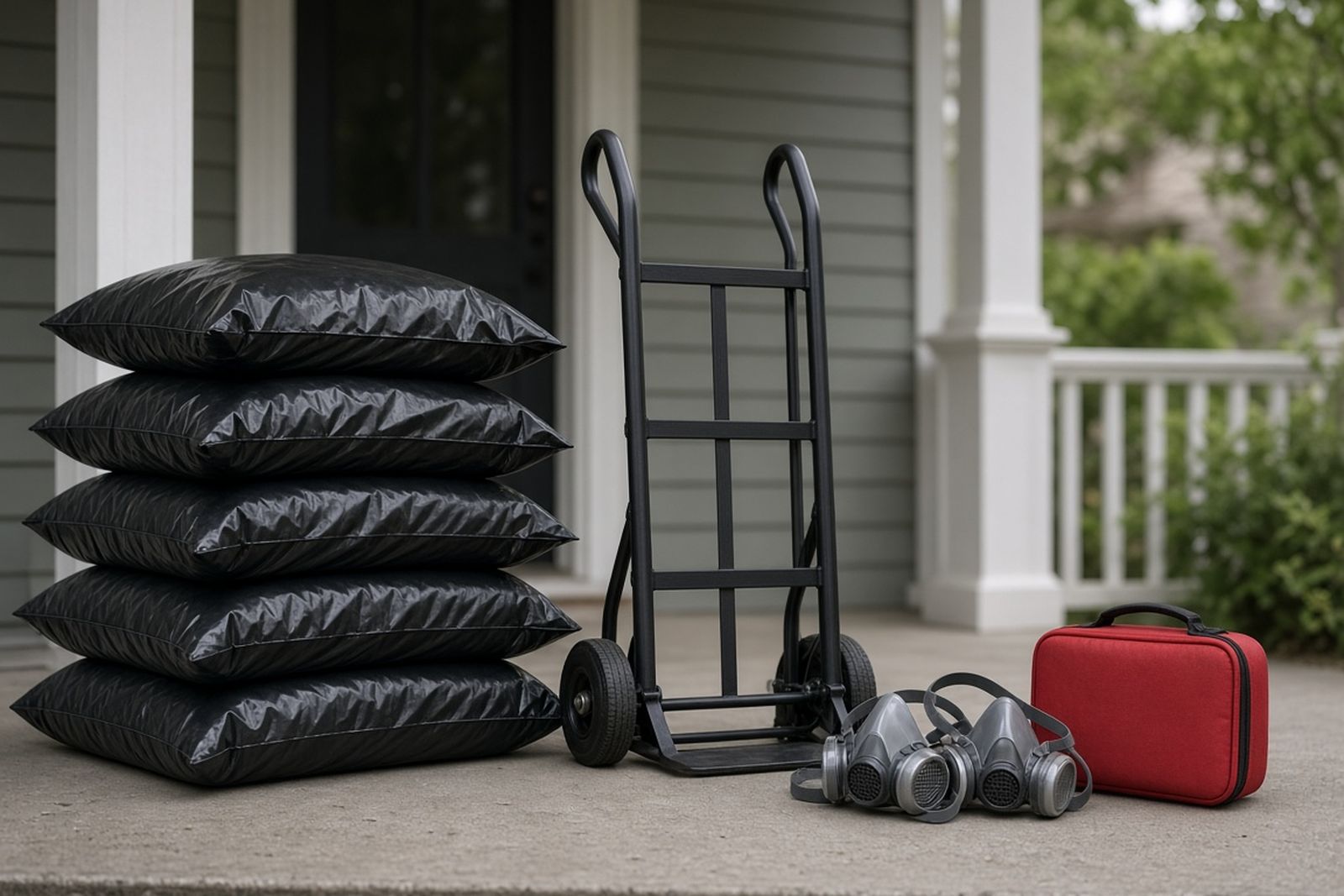
Contractor bags, a hand truck, respirators and a first-aid kit staged on a porch
Illustrative photo, not a job record. Contractor bags, a hand truck, respirators and a first-aid kit staged on a porch.
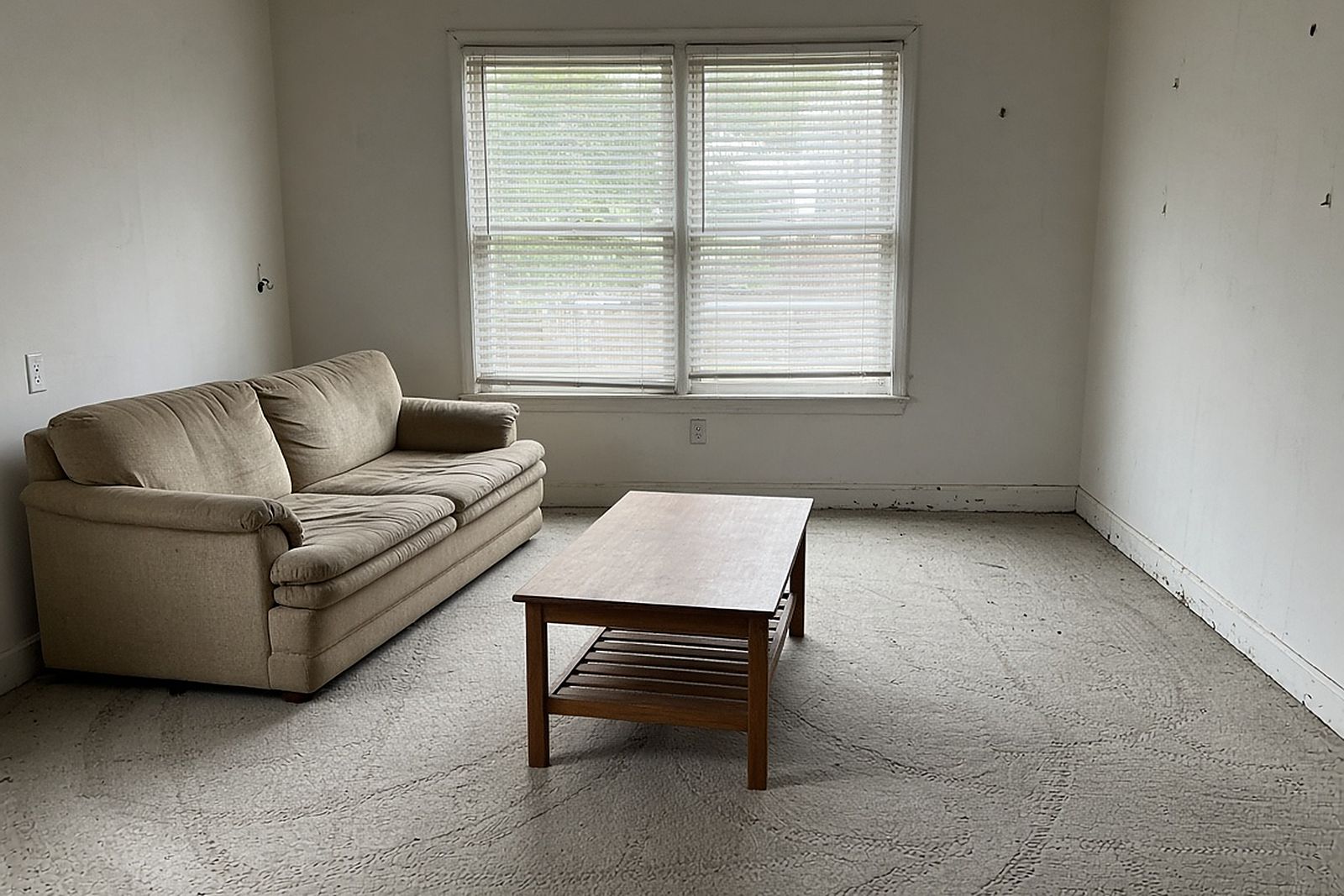
Cleared living room with a sofa and coffee table and the floor visible again
Illustrative photo, not a job record. Cleared living room with a sofa and coffee table and the floor visible again.

Hoarding Scene Cleanup in numbers

5-fold

Hoarding participants had a five-fold higher rate of mental health service use than comparison women and were nearly three times as likely to be overweight or obese as family members.

Read with care: Cross-sectional associations, not causation.

Source: Psychiatry Research (Tolin et al.) (2008)Comparison with National Comorbidity Survey participants

16x response cost

Only 40% of hoarding fires were contained to the room of origin versus about 90% of average residential fires, with damages 8 times and response costs 16 times higher.

Read with care: Larger hoarding fires were more likely to be identified, which may inflate the multiples.

Source: Worcester Polytechnic Institute / Metropolitan Fire Brigade (Lucini, Monk & Szlatenyi) (2009)Melbourne Metropolitan Fire Brigade incident data

34,696

Federal OSHA conducted 34,696 inspections in fiscal year 2024 and has roughly one compliance officer for every 70,000 workers.

Read with care: Excludes inspections by state-plan agencies.

Source: OSHA (2024)United States, federal OSHA, FY2024

10 square feet

EPA says moldy areas smaller than about 10 square feet can usually be handled by the homeowner, while larger areas warrant professional guidance.

Read with care: Applies to mold; contaminated sewage or biohazard materials are treated differently.

Source: US EPA (2026)Residential guidance, United States

These figures are public research and agency data, not this network's own job records. Keep each number with its population, year and limits; none of them predicts cost, timing or outcome at a specific property.

What hoarding cleanup does not cover

  • Mental health treatment. A therapist or the person's doctor can help with that.
  • Major repairs to floors, walls, plumbing, or wiring. A general contractor or electrician handles those.
  • Pest control for mice, roaches, or bedbugs. A pest control company treats those problems.
  • Legal questions about eviction, guardianship, or estates. An elder law or tenant lawyer can advise.
  • Rehoming or medical care for animals found in the home. A vet or local animal shelter can help.

Keeping the home safe after the crew leaves

A cleared home is a fresh start, not the finish line. Plan regular visits from a family member, a friend, or a paid helper. Many families set a simple rule together, like keeping paths and the stove area clear. Keep the plan, receipts, and repair list in one folder.

The person may feel relief, grief, or both. Losing belongings can feel like loss even when they chose it. Stay patient and avoid blame if items begin to build up again. Keep encouraging support from a counselor, and look after your own well-being too.

What research has found

Findings from published studies of people and properties in situations like this one. They describe what researchers observed in a specific group; they are not predictions for your case.

Some regarded possessions as family heritage or mementos.
Who was studied: 12 people with hoarding disorder in Singapore.Limits: Small local sample; reported motivations are not universal causes.An exploratory study on the lived experiences of hoarding in Singapore (2020)
Family burden included lasting changes to participants' daily routines.
Who was studied: 29 adults with relatives showing elevated hoarding symptoms.Limits: Small selected sample; relatives rated symptoms.Preliminary investigation of objective and subjective experiences of relatives of indivi… (2024)

Hoarding Scene Cleanup community polls

Poll results

Every count is a real visitor vote; nothing is seeded or padded. One vote per poll per device, and you can change your answer.

Your experience

If a relative's home had become unsafe, what would be your first step?

No visitor votes yet
Process

How much control should the occupant keep over what leaves the home?

No visitor votes yet
Industry

What would you weigh most when choosing a hoarding cleanup provider?

No visitor votes yet

Before you hire: hoarding scene cleanup questions

What happens to items put in the maybe pile?

Most crews box and label them so the person can decide later, once the pressure is off. Some families store these boxes in one room or a storage unit for a set time. If the person has not missed them by then, letting go is often easier. Agree on how long maybe items will be held before the work starts.

Can the crew work in short visits instead of long days?

Many companies can, and for some people it works much better. Short sessions let the person rest between decisions and feel less overwhelmed. The whole job may take longer and cost more in travel time. Ask how the company schedules shorter visits and whether the same crew members will come back each time.

Where do donated items actually end up?

Crews often take usable items to local charities, shelters, or thrift stores. Some let the person choose the charity, which can make giving things away feel meaningful. Ask for donation receipts, since they may help at tax time. Items that are soiled, broken, or recalled usually cannot be donated and go to recycling or the landfill.

What if the crew finds medication or needles in the home?

Loose needles go straight into hard containers made for sharps, never into trash bags. Old or unused medicine is set aside for the family or taken to a drug take-back site. If the person needs their medicine, the crew should keep it where they can find it. Ask the company how they record what they found.

How does the crew protect the person's privacy during hauling?

Ask whether they can use plain trucks or bins and keep bags closed. Workers should not talk about the home with neighbors or post photos online. Scheduling heavy hauling at quieter times can also help. If privacy matters a lot to the person, raise it on the first call so it becomes part of the written plan.

Can a crew focus on just one room to pass a landlord inspection?

Yes, many will start with the areas an inspector checks most, like exits, the kitchen, and the bathroom. That can buy time for the rest of the home. Ask the landlord in writing which problems need to be fixed and by when. Share that list with the crew so the plan targets what matters.

What will the home look like when the crew is finished?

Rooms will be open, clean, and usable, with the items the person chose to keep. You may see worn floors, stains, or damage that was hidden under piles. Some rooms may be sparse at first. The crew should walk through with you and point out repairs to plan for, like replacing flooring or fixing leaks.

Questions about your situation?

Describe what happened in a sentence or two. Your request is sent to the follow-up inbox. A coordinator can reply by email.

Your request is sent to the follow-up inbox. A coordinator can reply by email.

If anyone is hurt or in danger, call 911 first.