Hoarding Cleanup Help That Respects the Person
A calm, step-by-step way to make a crowded home safe again, together.
This site is for family members, friends, landlords, and caseworkers helping someone whose home has become unsafe from too many belongings. It explains how to start, how a careful crew works alongside the person, and how to plan for cost.
Get an email reply about hoarding scene cleanup
Send a short message to the follow-up inbox. A coordinator can reply by email. This form does not send emergency help; call 911 first if anyone is in danger.
Where do you begin when a home has become unsafe?
Start with safety and trust, not with trash bags. The person who lives there should feel included from day one.
- 1Talk with the person privately and calmly, and ask what worries them most about their home.
- 2From a doorway, look for urgent dangers like blocked exits, items piled near the stove or heaters, or sagging floors.
- 3Clear one path to the main exit and the bathroom if the person agrees, without throwing anything away yet.
- 4Make sure smoke alarms work, and ask the local fire department whether it offers free home safety checks.
- 5Note health needs, like oxygen tanks, walkers, or pets that need care, before anyone plans the work.
- 6Find out who has legal say over the home and its contents, such as the owner, a power of attorney, or a landlord.
Call 911 for a fire, a fall, or anyone who is unresponsive or trapped. If the person talks about harming themselves, call or text 988, and if you think an older or disabled adult is in danger from neglect, contact your local Adult Protective Services.
Want this as a checklist for your situation? Try the first 24 hours planner.
What hoarding cleanup involves
Hoarding is a recognized mental health condition, not a sign of laziness or bad character. People who live with it often feel deep attachment to their belongings and real distress at the thought of losing them. A cleanup that ignores those feelings can cause harm and often does not last. A careful one moves at a pace the person can manage.
In a hoarded home, piles can hide real hazards. Spoiled food, animal waste, mold, pests, and even used needles can sit under years of stored items. Heavy stacks may press on floors or fall. Many homes also have fire risks from papers near heat sources and exits that are hard to reach.
A hoarding cleanup crew handles both sides of this. They help the person sort belongings into what stays, what goes to donation, and what is discarded. They also deal with any health hazards they uncover, then clean the rooms as they become clear. The work usually happens over several visits rather than all at once.
Each type of work is explained step by step on the hoarding scene cleanup services page.
Photos
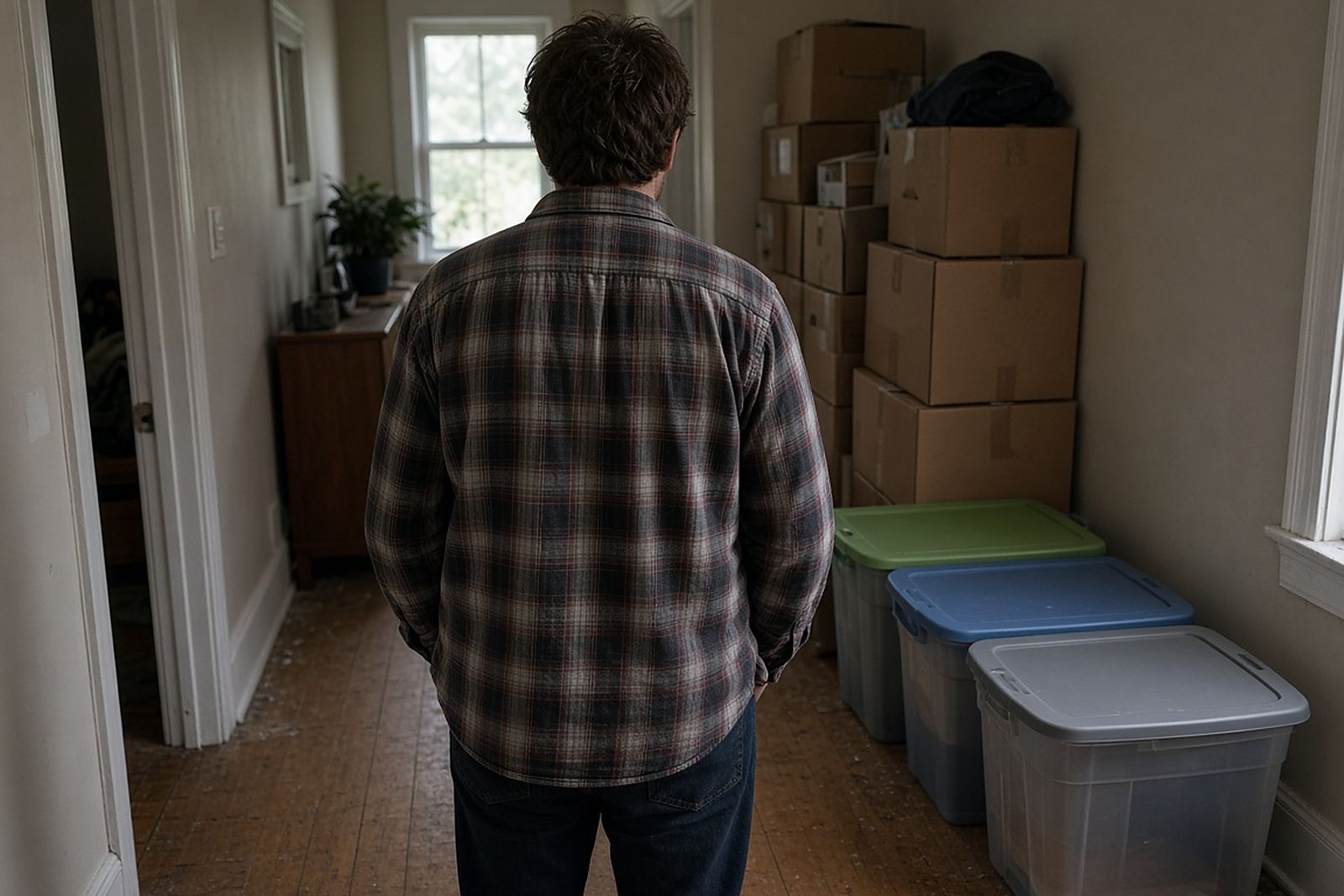
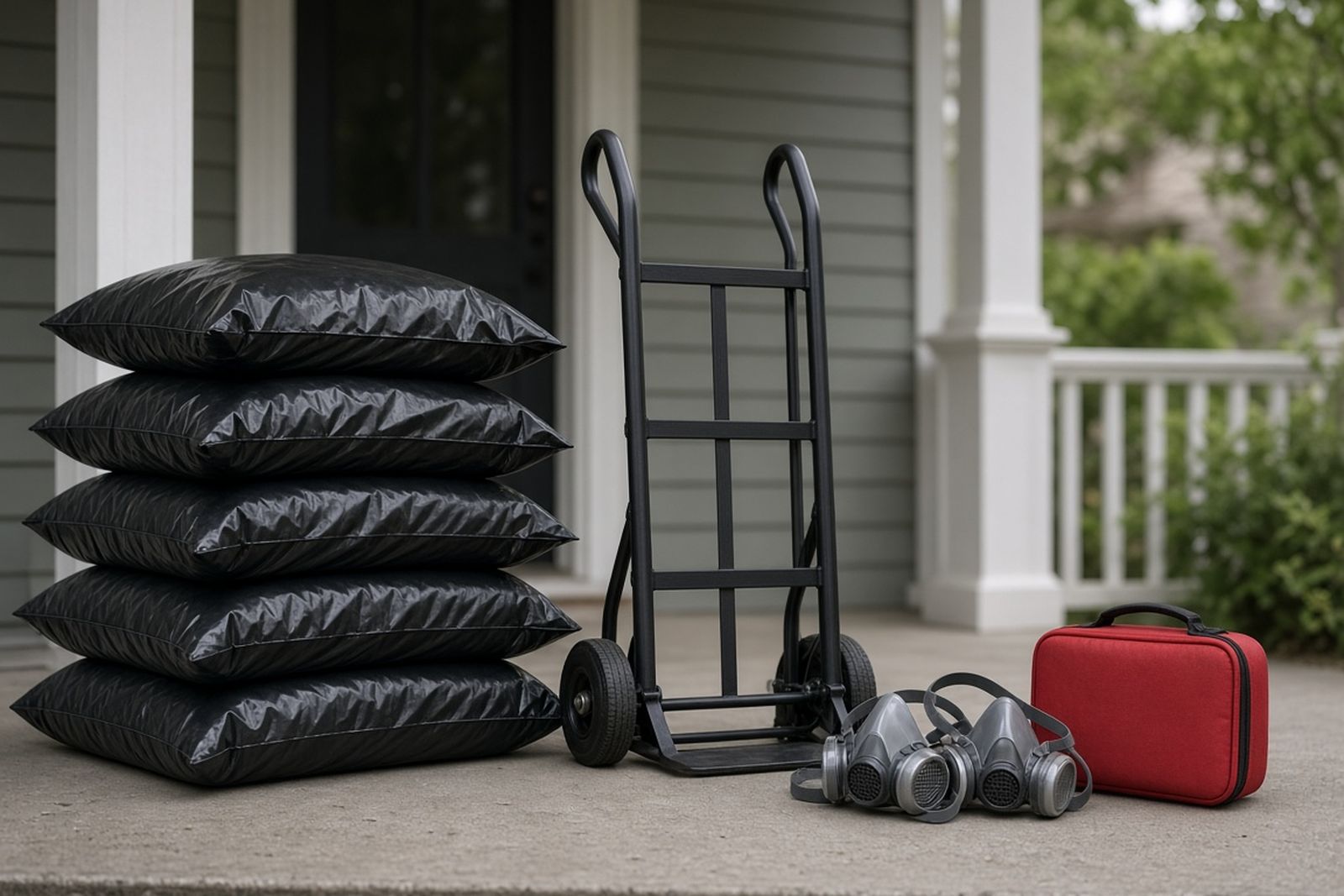
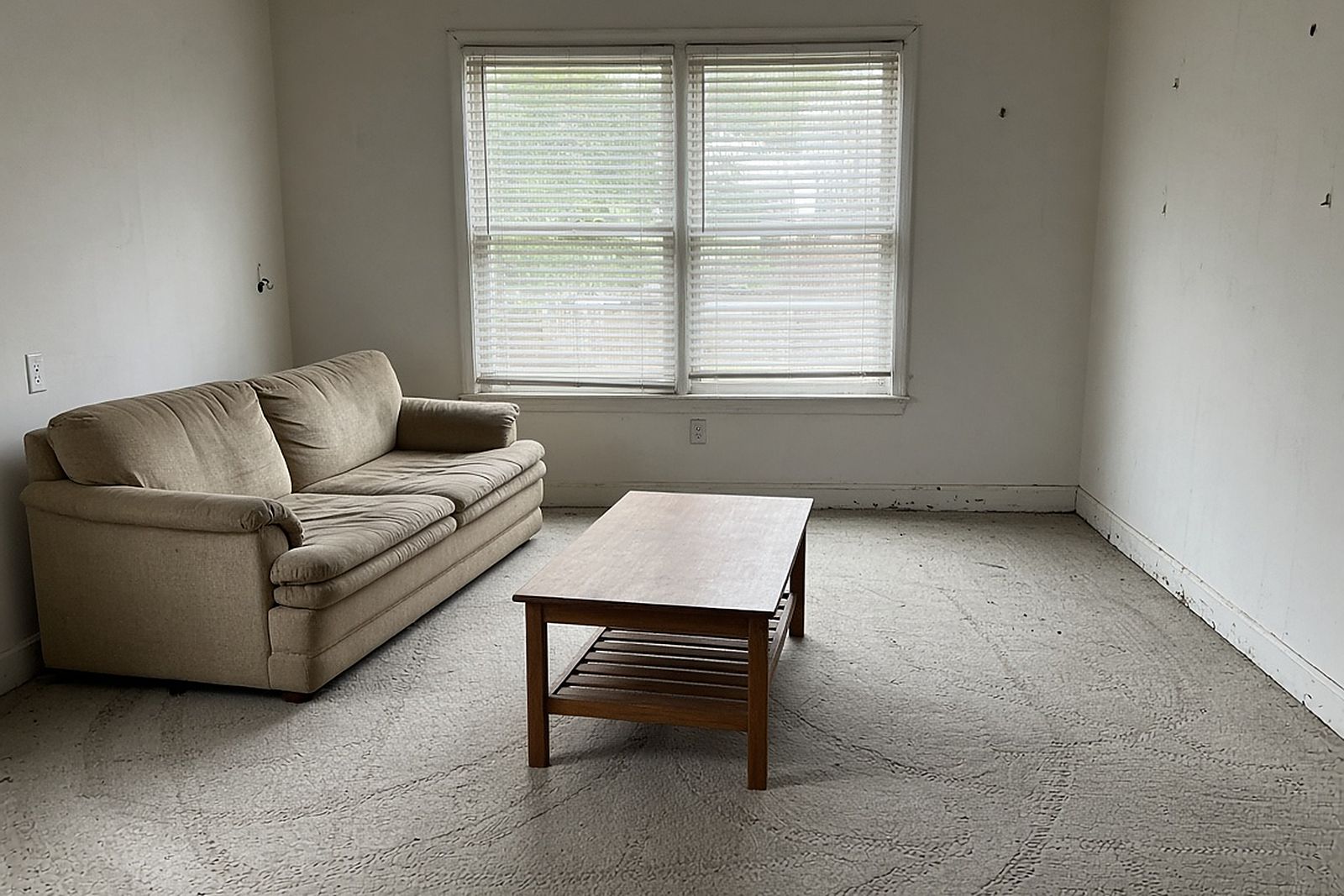
These sample photos illustrate sorting and cleaning in crowded homes; none show a real person's home.
How a respectful cleanup unfolds
Every home is different, but good crews follow a similar rhythm. The person who lives there stays part of the decisions throughout.
- 1
Meeting the person
A lead worker visits, listens, and walks the home with the person if they are willing. They note safety problems and ask what matters most.
- 2
Agreeing on a plan
Everyone agrees on which rooms come first, how sorting choices will be made, and which items must never go without asking. The plan is written down.
- 3
Making it safe to work
The crew opens paths to exits and checks for weak floors, electrical problems, and anything sharp or soiled. Hazards are handled before deeper sorting begins.
- 4
Sorting side by side
Items are sorted into keep, donate, discard, and a set-aside pile for later. The person makes the calls, with gentle help, at a pace they can manage.
- 5
Hauling and cleaning
Discarded items leave in bags or bins, with any waste that could spread germs kept separate. Cleared rooms are cleaned so they can be used again.
- 6
Planning what comes next
The crew notes needed repairs and suggests a check-in visit. Families often line up counseling or regular help to keep the home safe.
Hoarding Scene Cleanup by the numbers
Families who reach this page often carry two feelings at once. They worry about a person they love, and they dread a house they cannot picture fixing. Facts help with both. The figures in this section show how common hoarding is and how often it goes along with older age and living alone. They show which hazards turn up most often under piled-up belongings. They also show what affects the cost and length of a professional cleanup. They come from mental health researchers, fire safety agencies, and industry reports. They will not tell you what to do about one relative. But they can replace shame with a sense of scale. They can make talks with the person, a provider, or an agency calmer and more useful.
- 0.85%
A meta-analysis of 85,681 English households over 13 years estimated the point prevalence of domestic squalor at 0.85%, with rentals and lower-income homes at higher risk.
Read with care: Squalor overlaps with but is not identical to hoarding disorder; UK data.
Source: BMC Public Health (2024)English Housing Survey data
- 16x response cost
Only 40% of hoarding fires were contained to the room of origin versus about 90% of average residential fires, with damages 8 times and response costs 16 times higher.
Read with care: Larger hoarding fires were more likely to be identified, which may inflate the multiples.
Source: Worcester Polytechnic Institute / Metropolitan Fire Brigade (Lucini, Monk & Szlatenyi) (2009)Melbourne Metropolitan Fire Brigade incident data
- 2.5%
A meta-analysis of 11 studies covering 53,378 adults estimated the prevalence of hoarding disorder at 2.5%, with similar rates in men and women.
Read with care: Studies used different definitions, so estimates ranged from 0.8% to 3.5%.
Source: Journal of Affective Disorders (Postlethwaite, Kellett & Mataix-Cols) (2019)Working-age adults in developed countries; 95% CI 1.7–3.6%
- 4–5% prevalence cited
Claims professionals note standard homeowners policies contain exclusions for neglect, failure to protect property and improper maintenance that can complicate hoarding-related claims.
Read with care: Industry commentary, not a statistical study; the 4–5% prevalence it cites is higher than the 2.5% meta-analysis.
Source: CLM Magazine (Claims and Litigation Management Alliance) (2011)US property claims practice
- 5-fold
Hoarding participants had a five-fold higher rate of mental health service use than comparison women and were nearly three times as likely to be overweight or obese as family members.
Read with care: Cross-sectional associations, not causation.
Source: Psychiatry Research (Tolin et al.) (2008)Comparison with National Comorbidity Survey participants
- +20% per 5 years
In a Dutch population study of 15,194 twins and relatives, provisional hoarding disorder prevalence was 2.12% and rose about 20% with every 5 years of age.
Read with care: Self-report screening, not clinical diagnosis.
Source: American Journal of Geriatric Psychiatry (Cath et al.) (2017)Netherlands Twin Register, ages 15–97
These figures are public research and agency data, not this network's own job records. Keep each number with its population, year and limits; none of them predicts cost, timing or outcome at a specific property.
Paying for a hoarding cleanup
Price depends on the size of the home, how full it is, and how much hands-on sorting the person wants to do. Slower, consent-based sorting takes more crew hours than a quick haul-out, but it tends to hold up better over time. Animal waste, mold, or needles add cost because they need special handling. Dumpster fees and repairs are usually extra.
Homeowner's insurance usually does not pay to remove belongings or clean clutter, since the build-up happened over time. It may help if a sudden event, like a burst pipe or small fire, damaged the home. Some families pay together. Local aging services, social service agencies, or nonprofits sometimes offer help, so ask around before assuming the full cost falls on one person.
Keep the written plan, each invoice, dump or donation receipts, and photos of repairs needed. If you act under a power of attorney, keep a copy with these records. Landlords should save notices sent to the tenant and inspection notes. Store the folder where the person can see it too, so nothing feels hidden from them.
Finding a company that treats people with dignity
How a crew talks about the person on the first call tells you a lot. Listen for patience and respect.
Questions to ask
- How do you involve the person who lives there in sorting decisions? You want a clear answer that puts them in charge where possible.
- Can you work in shorter sessions if the person gets overwhelmed? Rushing often leads to distress and quick re-filling.
- What happens to papers, photos, cash, and jewelry you find? A good crew sets these aside for review, never tosses them.
- How do you handle needles, animal waste, or spoiled food? These need separate, safe handling apart from ordinary trash.
- Where do donated items go? Knowing belongings will be reused can make letting go easier for the person.
- Will you give a written estimate that explains how you charge? Some bill by the hour and some by the job, and both should be clear.
Warning signs
- They speak about the person with scorn or jokes.
- They suggest clearing everything in one day while the person is away.
- They want to film or post photos of the home.
- They will not say what happens to valuables they find.
Checking a company you already have in mind? Work through the provider vetting checklist.
What family can take on, and what to hand off
Families can do a lot of the emotional work, which often matters most. Sitting with the person, sorting a box together, or driving donations to a thrift store can all help. Wear gloves and sturdy shoes, keep sessions short, and stop if the person becomes upset.
Stop and call for help if you find animal or human waste, needles, mold, or piles that look unstable. Those need protective gear and proper disposal. It is also wise to bring in help if sorting is straining your relationship with the person.
Usually fine to do yourself
- Sort clean, dry items with the person in a room that is safe to stand in.
- Take donation bags to a charity and bring back a receipt.
- Keep a running list of items the person wants protected.
Leave to a trained crew
- Rooms with animal or human waste, rotten food, or mold.
- Picking up needles, broken glass, or unknown chemicals.
- Moving heavy, tall stacks that could fall.
- Cleaning floors and walls once rooms are cleared of soiled items.
Not sure where your situation falls? The DIY risk check asks eight yes-or-no questions.
Free hoarding scene cleanup planning tools
Cost Range Estimator
The cost of a hoarding cleanup depends less on floor space and more on how deep the piles are, the hazards, and the pace.
Provider Vetting Checklist
Choosing a provider for a hoarding cleanup is as much about manner and method as it is about equipment.
Insurance Claim Organizer
Insurance rarely pays for a hoarding cleanup by itself.
First 24 Hours Planner
Hoarding problems often come to light through a crisis.
Waste & Disposal Classifier
A hoarding cleanup sends things in many directions at once.
DIY or Call a Pro? Risk Check
Many families want to handle a hoarding cleanup themselves, out of love, privacy, or cost.
What research has found
Findings from published studies of people and properties in situations like this one. They describe what researchers observed in a specific group; they are not predictions for your case.
Both symptom groups had greater adjusted odds of impairment across all assessed functioning domains.
Completers reported a modest reduction in hoarding severity.
Hoarding severity predicted work impairment after adjustment for age, sex and physical conditions.
Hoarding Scene Cleanup community polls
Every count is a real visitor vote; nothing is seeded or padded. One vote per poll per device, and you can change your answer.
If a relative's home had become unsafe, what would be your first step?
How much control should the occupant keep over what leaves the home?
What would you weigh most when choosing a hoarding cleanup provider?
Common questions about hoarding scene cleanup
What can I do if my relative says no to any cleanup?
Unless there is an urgent danger, you usually cannot force an adult to accept help. Keep the door open. Offer small, low-stakes steps, like clearing a path to the bathroom or replacing a smoke alarm. Ask what they would be willing to do. If their safety is truly at risk, Adult Protective Services or their doctor may be able to help, but that step can hurt trust, so weigh it carefully.
Is a cleanup the same as treatment for hoarding?
No. A cleanup makes the home safer, but it does not treat the condition behind it. Talk therapy with someone who has experience with hoarding can help people change how they save and let go of things. The person's doctor can suggest where to start. The International OCD Foundation also lists resources for hoarding. Cleanup and treatment often do more together than either does alone.
We are clearing the home of a relative who has died. Is it different?
In some ways it is. There is no one left to make sorting choices, so family members take that role, often while grieving. You may still want a slow pace to find papers, photos, and keepsakes. If the death was not found right away, there may also be body fluids to clean. Tell the company both facts so they can send the right crew.
How are money, jewelry, and important papers handled when found in piles?
Careful crews set aside anything that looks valuable or personal, such as cash, jewelry, deeds, tax forms, photos, and letters. These go in a labeled box for the person or family to review. It is common to find these items throughout the home, so no pile should be dumped unsorted. Ask the crew to give you a list of what they found.
How do we tell neighbors or building staff without shaming the person?
Share only what they need to know, such as when crews will be there and how long bins may sit outside. You do not need to explain why. Ask the crew to keep bags closed and work quietly. If the building manager is already involved, keep them updated on progress so they see a plan is in place.
Should the crew know about the person's health conditions?
Yes, with the person's consent where possible. Things like oxygen tanks, trouble walking, memory problems, or a weak immune system affect how the crew should work. Oxygen near clutter is a fire risk, and dust can worsen breathing problems. The crew does not need a full medical history, just what helps them keep the person safe.
Where can family members get support for themselves?
Helping a loved one through this can be draining, and feelings like frustration, guilt, and grief are common. Support groups for families of people who hoard exist in many areas and online. A counselor can help you set limits and keep the relationship intact. If you feel overwhelmed or unsafe yourself, call or text 988 to talk with someone.
More on hoarding scene cleanup
Hoarding Scene Cleanup services
Learn how a first look at the home, sorting with consent, biohazard handling, and deep cleaning fit together in a step-by-step plan.
Costs explained
What drives the price, published cost ranges, and how to read a written quote line by line.
Insurance and payment
Which policies may respond, how to document a claim, and what to do if coverage is denied.
Planning tools
Use planners made for families and caseworkers. Sort out costs, questions for providers, insurance steps, first-day actions, waste types, and DIY risk.
Community polls
See how relatives, landlords, people who hoard, and professionals think about consent, pace, and agency help. Compare your own gut feelings with theirs.
Knowledge quiz
Check what you know about hidden hazards, who can decide, dust control, cleaning and killing germs, waste, and records before you start to help.
Articles and resources
Read about helping a loved one, working with adult protective services, what landlords must do, and lessons from cleanups done in stages in real homes.
City guides
Find providers near you who know hoarding cases. Before you hire anyone, check their training, insurance, and way of working yourself.
Related guidance sites
Each site covers one situation. If yours overlaps, start with the closest match.
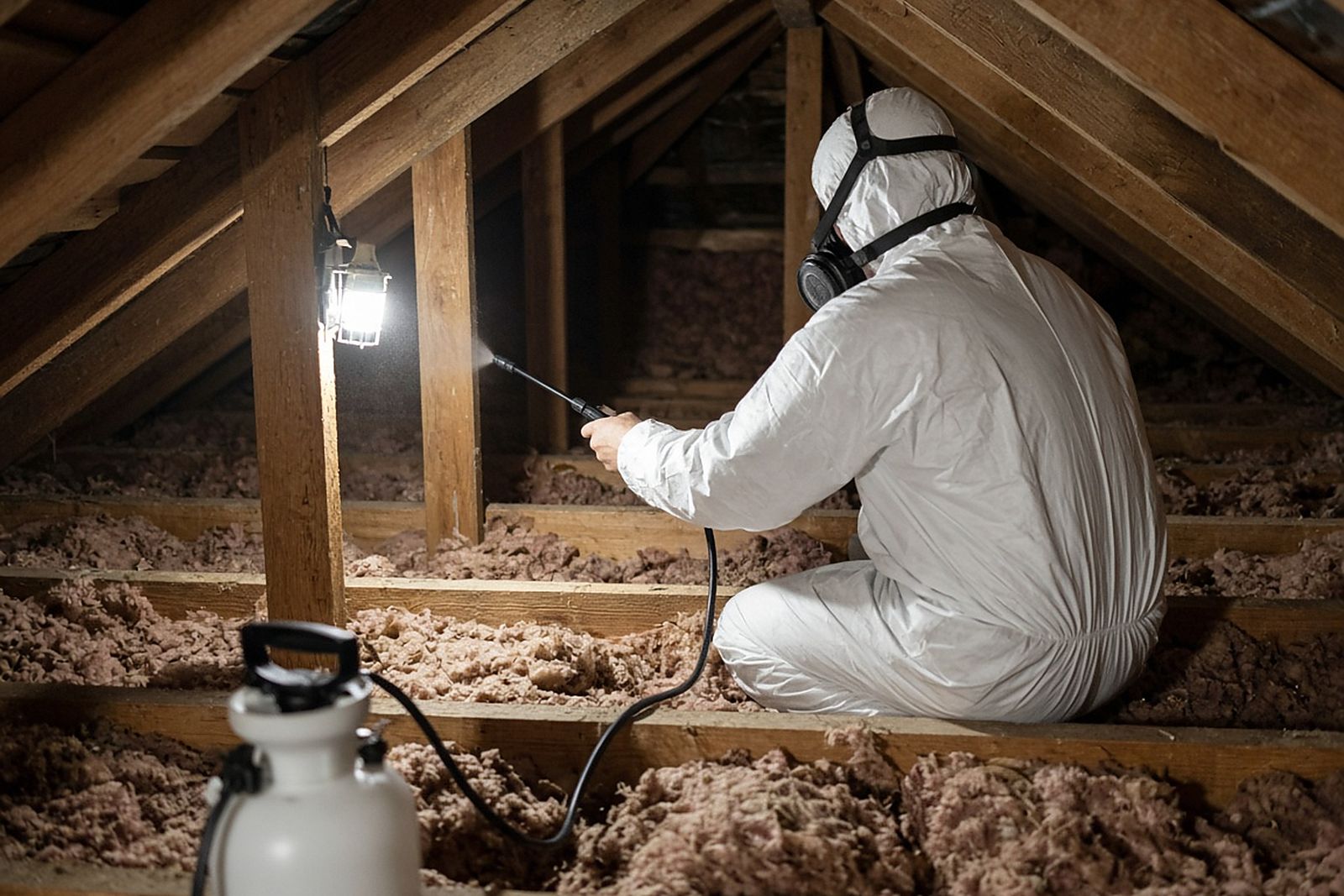
Rodent & Pest Droppings Remediation (Droppings Recovery Guide)
Found mouse or rat droppings? Here is how to clean up without stirring up dust.
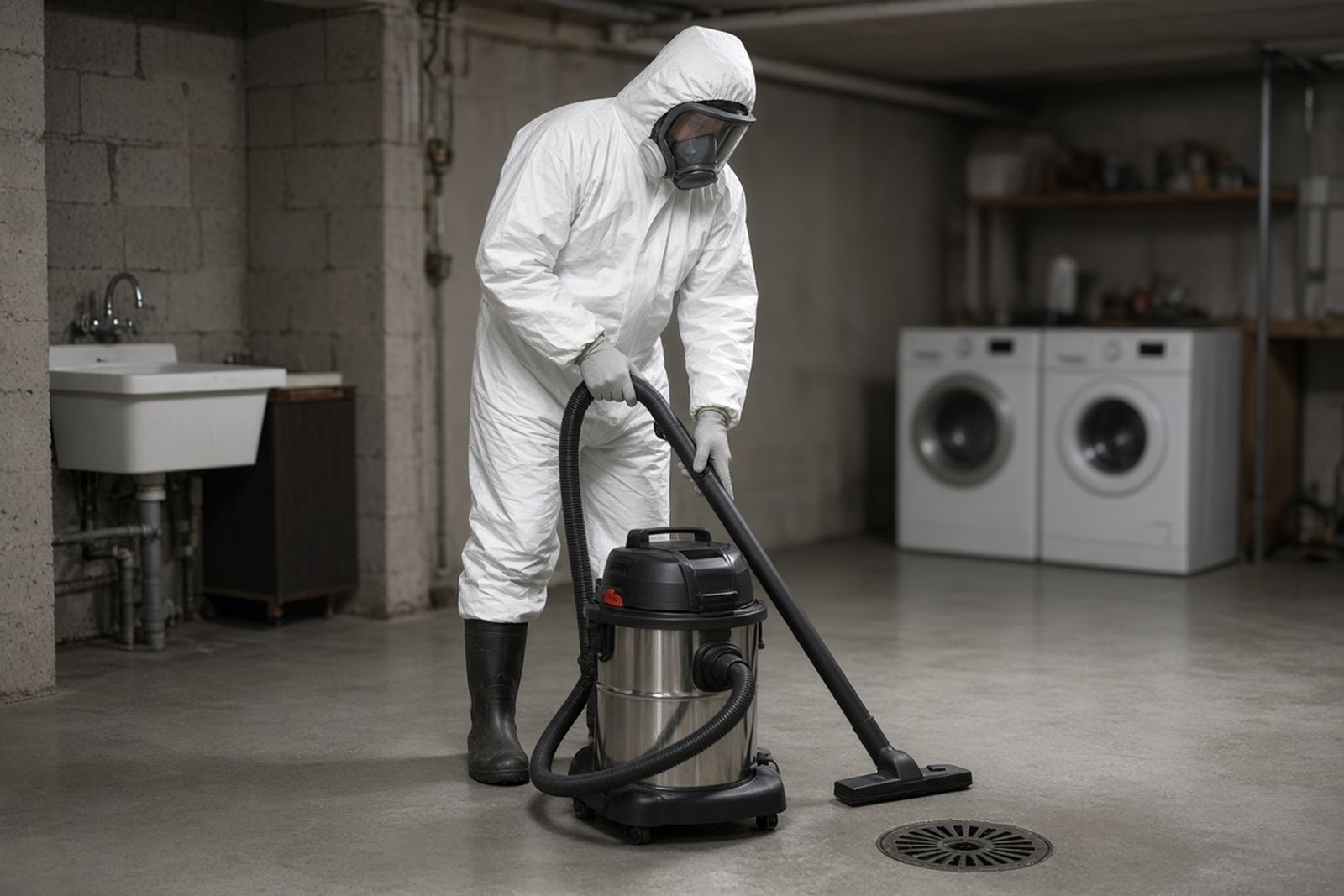
Feces & Bodily Fluid Cleanup (Sanitary Space Help)
Plain help for sewage backups, toilet overflows, and repeated accidents.
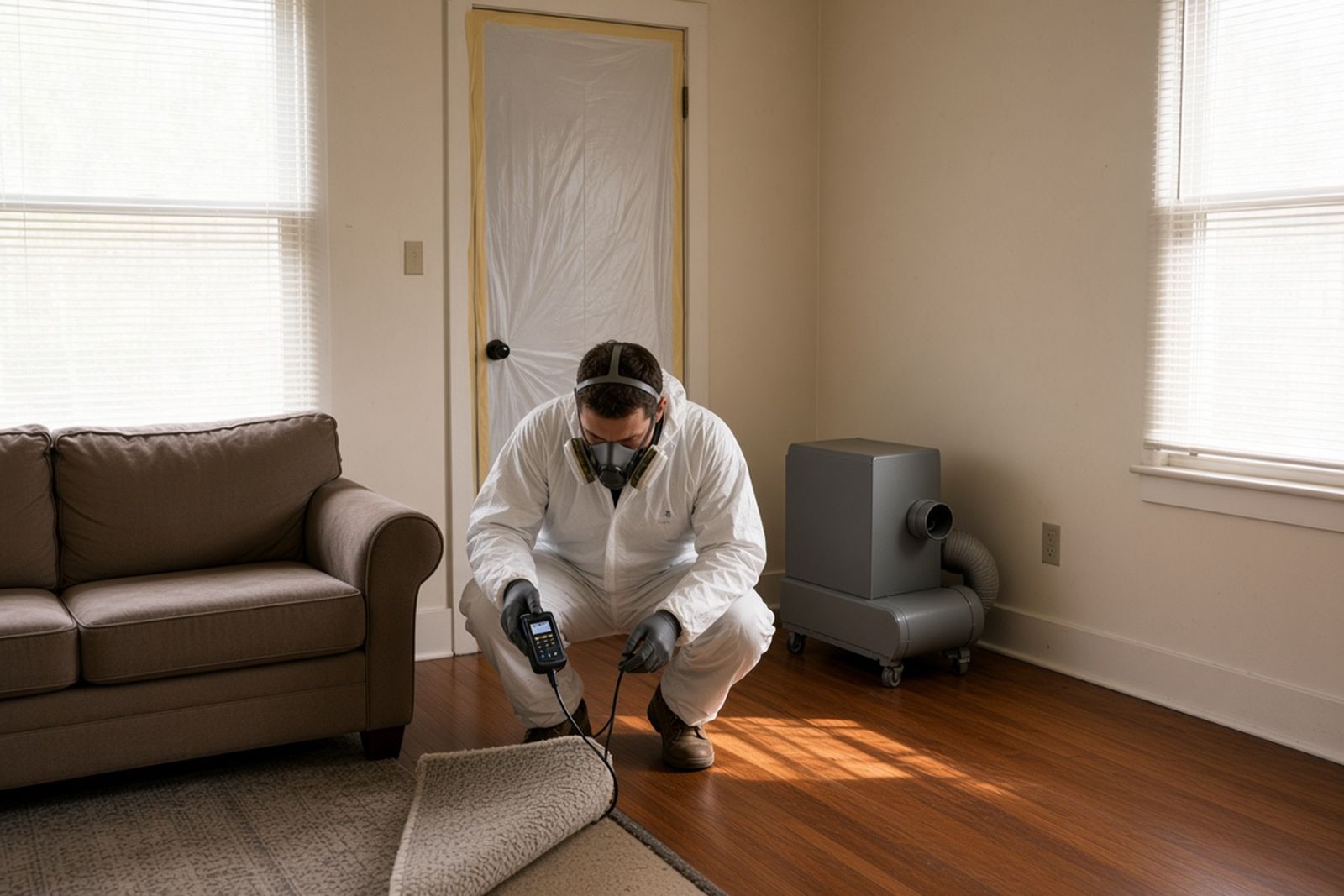
Odor Removal (Odor Source Guide)
Plain help for smells that keep coming back after death, smoke, damp or pets.
Get answers by email
Send a short message about your hoarding scene cleanup situation. Your request is sent to the follow-up inbox. A coordinator can reply by email. There is no obligation.
Your request is sent to the follow-up inbox. A coordinator can reply by email.
If anyone is hurt or in danger, call 911 first.