Hoarding Scene Cleanup community polls
See how other people handled the same decisions, then add your own answer.
Hoarding touches mental health, housing, family loyalty, and public safety, and almost everyone has an opinion about it. Some people believe a home should be cleared as fast as possible for the person's own good. Others believe nothing should leave the house unless the person clearly agrees, however long it takes. Neighbors, landlords, and relatives all see it differently. Those views matter because they shape what really happens. A family may call a caring provider or rent a dumpster. A landlord may start an eviction or a conversation. The person may feel respected enough to keep working with others, or not. The polls on this page gather what visitors think and what they have lived through. That way you can see your own reaction in context.
Get an email reply about hoarding scene cleanup
Send a short message to the follow-up inbox. A coordinator can reply by email. This form does not send emergency help; call 911 first if anyone is in danger.
Vote on the questions that matter here
Every count is a real visitor vote; nothing is seeded or padded. One vote per poll per device, and you can change your answer.
If a relative's home had become unsafe, what would be your first step?
How much control should the occupant keep over what leaves the home?
What would you weigh most when choosing a hoarding cleanup provider?
As a landlord, how would you most likely respond to a tenant's hoarding situation?
Which hazard do you think families most often underestimate?
Which part of a hoarding cleanup do you expect to be the most expensive?
Why opinions matter in hoarding scene cleanup
The choices people face are hard and personal. An adult child may be deciding whether to call adult protective services against a parent's wishes. A landlord may weigh the safety of other tenants against the harm of forcing someone out. A social worker may need to pick which hazard to deal with first. The home may have animals and blocked exits, and the person may not have left in years. A sibling may wonder whether to spend savings on professional help or try the work over several weekends with friends. Our questions follow those forks in the road. So the results show how others thought about consent, pace, cost, and safety, not vague opinions about clutter. Reading them may help you see options you had not thought of.
Use the results as a mirror, not as advice. If most people prefer one approach, that tells you what strangers liked. It does not tell you what will work for your relative, your building, or your local rules. People choose whether to answer, and the cases they picture vary a great deal. A result that surprises you is a reason to talk with a therapist who knows hoarding, a provider in this field, or your local APS office. Ask why opinion might be split. A result that agrees with you deserves the same doubt. The sourced facts on this site and the planning tools in our toolkit are better places to build the real plan. The person's own voice belongs at the center of it.
How to read poll results
A poll on this site records the opinions of visitors who chose to answer. It can show, for example, that many people would involve family before an agency. It might show that most people think consent should never be skipped. It cannot tell you whether an approach is safe in a certain home. It cannot tell you whether a person is legally able to decide, or how a landlord's duties work in your state. When you read a poll, look at how the question was worded and think about who likely answered. Remember that the group does not stand for all families, occupants, or providers. The result is a mood. It is useful for perspective and nothing more.
A sourced statistic is a measurement made by a known group using a stated method. One example is a research team estimating how often hoarding occurs. Another is a fire agency reporting on fires in cluttered homes. It has a citation and a date. You can read the original to judge its limits. Statistics still have blind spots. Definitions differ, and older data may not reflect today. But they describe reality, not feelings. When a statistic and a poll seem to disagree, trust the statistic more. At the same time, ask what the poll shows about why people act as they do. Both are useful. Neither replaces a plan built with the person who lives there.

How voting works
One vote per poll per device; you can change your answer. Votes are stored as anonymous counts with a salted, hashed identifier and never linked to a name, email or form submission.
Opinion versus observation
Findings from published studies of people and properties in situations like this one. They describe what researchers observed in a specific group; they are not predictions for your case.
Storage costs pushed some relatives to discard possessions they wanted to keep.
Removal of belongings without participation provoked distress and anger.
Sourced numbers next to the opinions
Polls show what visitors think. These figures come from published research and agency data, so you can compare perception with evidence.
- 5.7%
Clinical and subclinical hoarding symptoms were each reported by 5.7% of registry participants.
Read with care: Volunteer registry; symptom screens rather than universal clinical diagnoses; no causality.
Source: Nutley et al. (2022)16,312 adults in the internet-based Brain Health Registry.
- 47%
47% of identified cases involved a known disability or vulnerability.
Read with care: Identified council cases; not all tenants; officer-reported characteristics.
Source: Porter et al. (2022)38 reported hoarding cases and 11 housing-officer interviews; English council, summer 2021.
- 44%
Among those cases, 44% had experienced previous eviction proceedings.
Read with care: Housing-help sample; cannot estimate hoarding prevalence among all tenants.
Source: Rodriguez et al. (2012)115 clients seeking help from one NYC eviction-prevention organisation; 25 met hoarding criteria.
- 11
11 of 14 enrolled participants completed the nine-month intervention.
Read with care: Small uncontrolled study; no promise of avoiding eviction.
Source: Millen et al. (2020)14 adults enrolled in a nine-month adapted case-management intervention.
These figures are public research and agency data, not this network's own job records. Keep each number with its population, year and limits; none of them predicts cost, timing or outcome at a specific property.
Questions about hoarding scene cleanup polls
Why poll people about something so personal and sensitive?
Because family members and landlords make real choices based on what they assume is normal, acceptable, or effective. Polls show how others think about consent, agency help, and pace. That helps readers notice when their own plan is driven by frustration instead of the person's needs. The results are something to reflect on, not a guide for what to do.
Are the answers from people who hoard, or about them?
Both. Anyone can answer, including people who hoard, relatives, landlords, social workers, and cleanup workers. We do not check who is answering. So results mix views that may differ sharply on the same question. Keep that mix in mind when you read a result. This matters most on questions about consent and how much control the person should keep.
Can a poll help me decide whether to call adult protective services?
It can show how others approached that choice, but the decision depends on the person's capacity, the dangers present, and your local agency's process. If you are unsure, call the office and ask what a referral involves without giving a name at first. A poll cannot weigh the specifics of your relative's situation.
Do results differ by region?
Probably, but we do not sort them by region. Views on agency help, landlord rights, and family duty differ across communities. Laws also vary by state and county. Treat results as a blend from across the country. Check any legal question with local officials instead of assuming the poll reflects your area.
Will my answers be visible to anyone?
Only aggregate counts are shown. Individual responses are not linked to names or accounts, and no provider receives them. You can answer honestly about your own experience, including as an occupant, without concern that it will be traced back to you. Aggregate results may be quoted in site articles, but only as totals.
What if the poll results seem to endorse a forced cleanout?
Popular does not mean approved. Forced cleanouts often cause distress, damage trust, and lead to the home filling up again quickly. That is why providers and clinicians in this field usually avoid them. If a result leans that way, read it as a sign of how common the urge is. It is not advice to act on that urge.
How are poll questions chosen?
Questions are written around the choices that families, occupants, landlords, and caseworkers describe most often. Then they are reviewed so the options are balanced and respectful. New questions are added as new themes come up. Older ones may be retired when they no longer match current practice. You can suggest questions through the contact page.
More on hoarding scene cleanup
Hoarding Scene Cleanup services
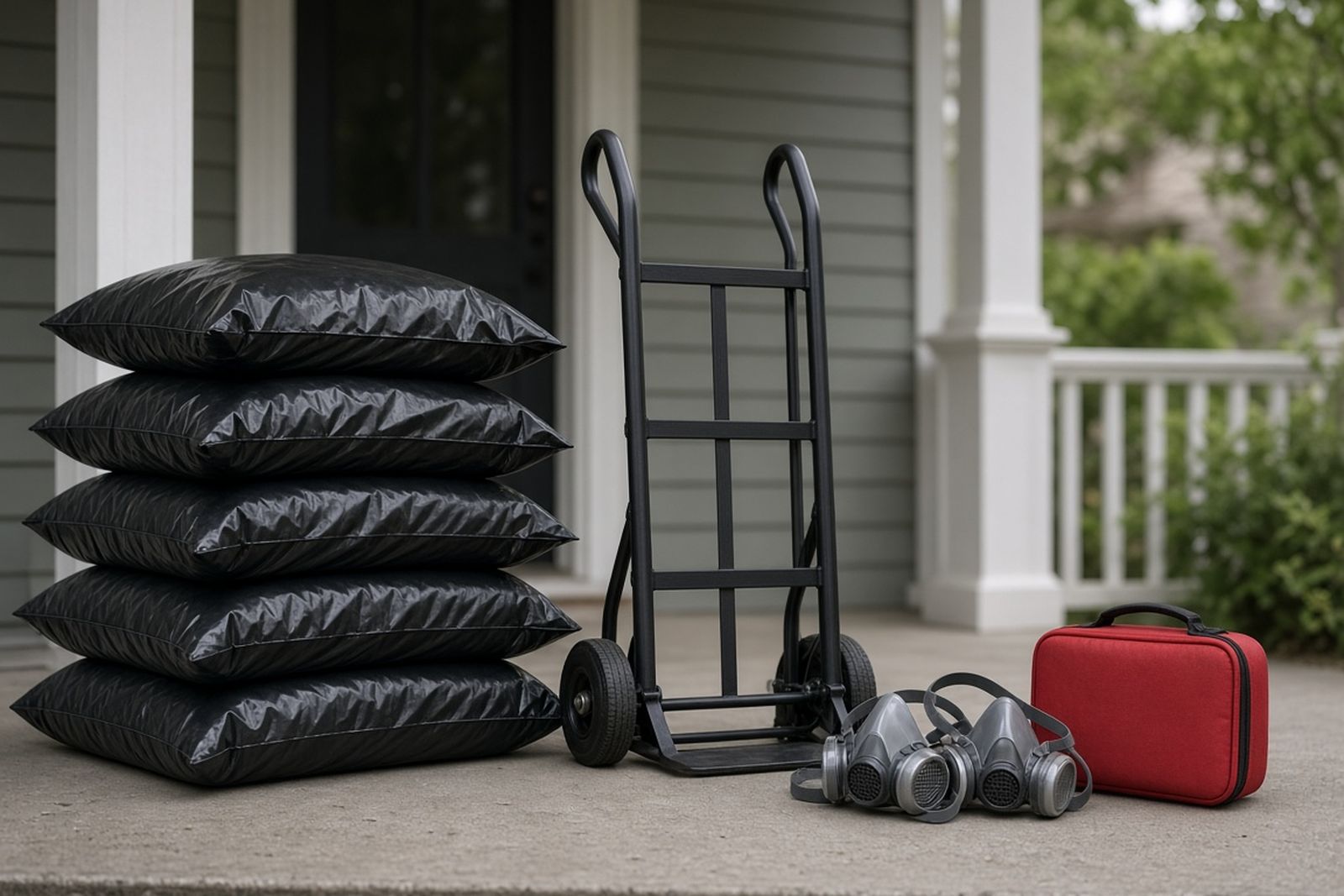
Learn how a first look at the home, sorting with consent, biohazard handling, and deep cleaning fit together in a step-by-step plan.
Costs explained
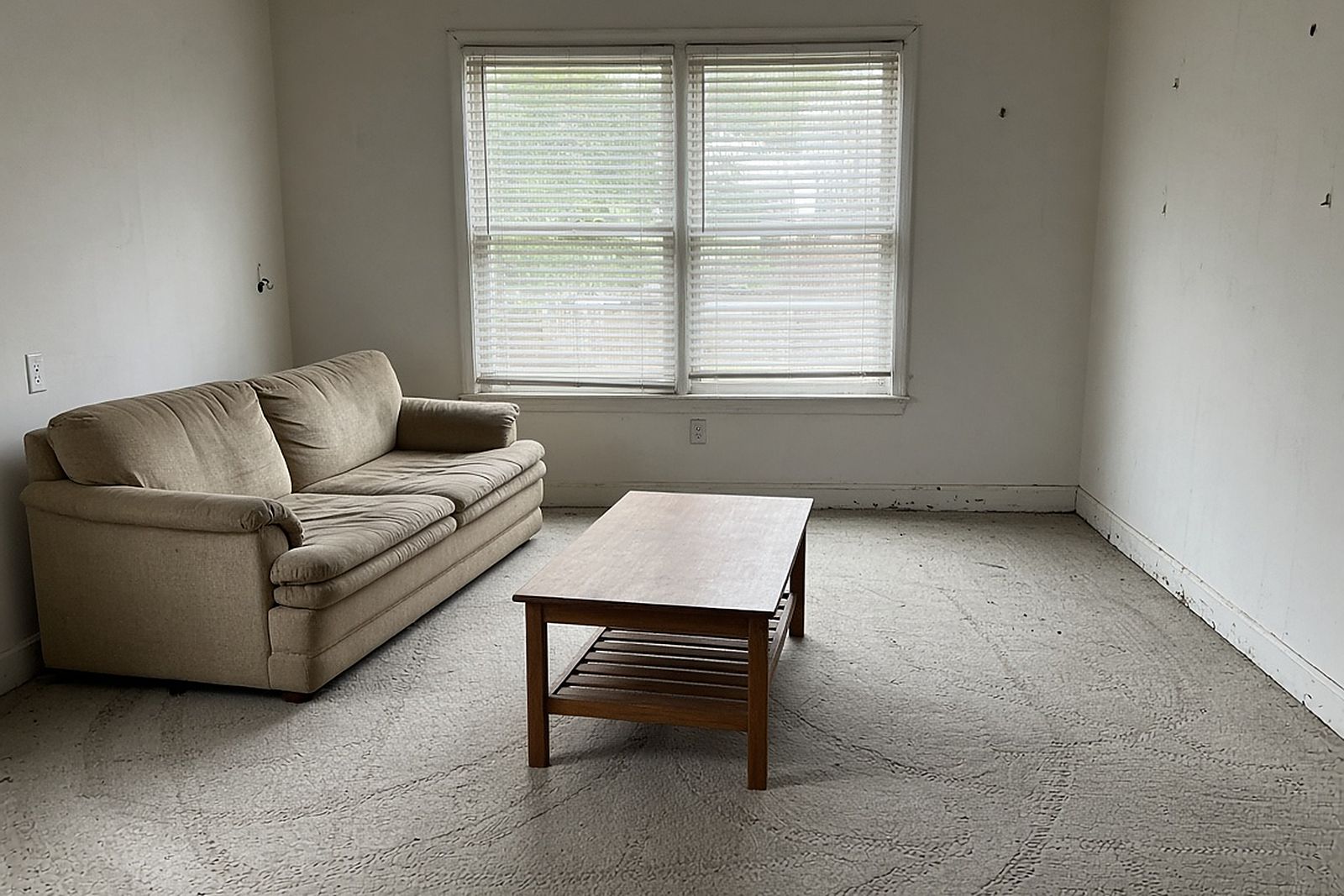
What drives the price, published cost ranges, and how to read a written quote line by line.
Insurance and payment
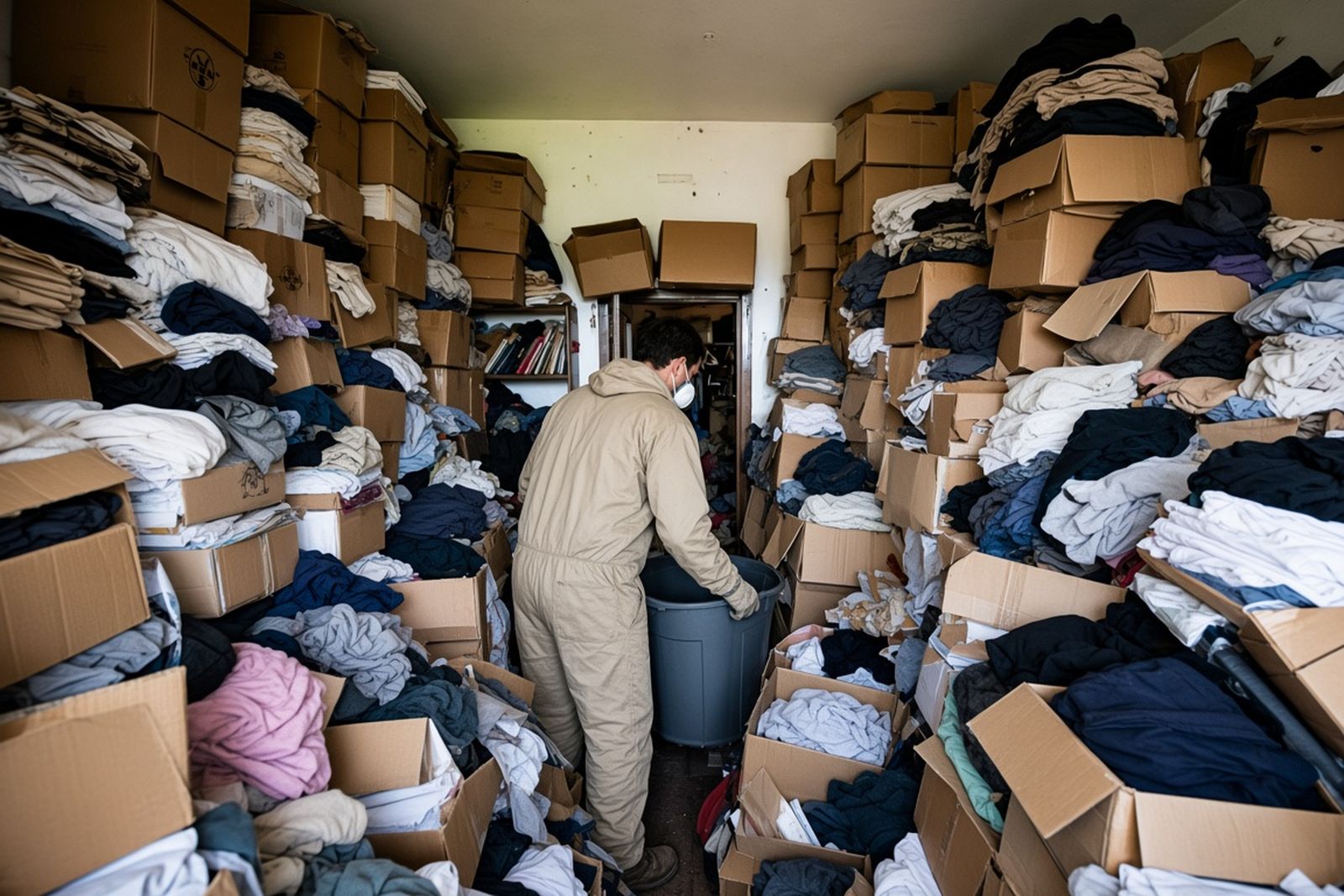
Which policies may respond, how to document a claim, and what to do if coverage is denied.
Planning tools
Use planners made for families and caseworkers. Sort out costs, questions for providers, insurance steps, first-day actions, waste types, and DIY risk.
Knowledge quiz
Check what you know about hidden hazards, who can decide, dust control, cleaning and killing germs, waste, and records before you start to help.
Articles and resources
Read about helping a loved one, working with adult protective services, what landlords must do, and lessons from cleanups done in stages in real homes.
City guides
Find providers near you who know hoarding cases. Before you hire anyone, check their training, insurance, and way of working yourself.